
Quick answer: A financial roadshow packs 6–10 investor meetingsinto a single day across Toronto's financial core. Ground logistics decide whether it holds: a lead chauffeur who knows the full itinerary, minute-level timing with buffers, a backup-vehicle protocol, and an NDA. Get it right and nobody notices the transport at all, which is the point.
A roadshow is a logistics problem wearing a suit. The pitch is rehearsed, the deck is done, the management team is ready, and then the whole day hinges on whether a car is in the right place at 10:47. Transport is the least-discussed and most fragile part of the schedule.
What a roadshow day actually looks like
| Time | Movement |
|---|---|
| 07:30 | Hotel pickup, management team briefed en route |
| 08:00–12:00 | Four meetings in the financial core, 10-min buffers |
| 12:15 | Working-lunch transfer |
| 13:30–16:30 | Three to four afternoon sessions, order flexed live |
| 18:30 | Dinner drop, car on standby for the return |
Note the buffers. A roadshow without buffers isn't a schedule. It's a wish.
Why ground transport is the failure point
Everything else in the day is inside a building. The car is the only variable exposed to traffic, construction, loading-bay rules, and the fact that Bay Street towers don't all let you stop at the front. One misjudged pickup point and a ten-minute cushion becomes a twenty-minute apology.
What good roadshow transport includes
- A lead chauffeur who holds the entire itinerary, not a driver told one stop at a time.
- Minute-level scheduling with buffers, re-sequenced live as meetings run long or short.
- A backup-vehicle protocol so one problem never becomes the day's problem.
- Knowledge of building access: where you can actually stop, and which entrance is quickest.
- Strict confidentiality, with an NDA signed before the first pickup.
Who books it
Almost always the investor-relations team, the bank running the deal, or the executive assistant coordinating management. They hand over a schedule; a good chauffeur company hands back a day that simply runs. Most set this up on a corporate account so billing and reporting are handled once, not per trip.
Discretion is part of the service
Roadshow conversations are material and non-public. Chauffeurs hear them. Ours are trained to keep the cabin private and the names quiet, and we'll sign your NDA as a matter of course, the same standard we apply to VIP transportation.
How RAO runs a roadshow
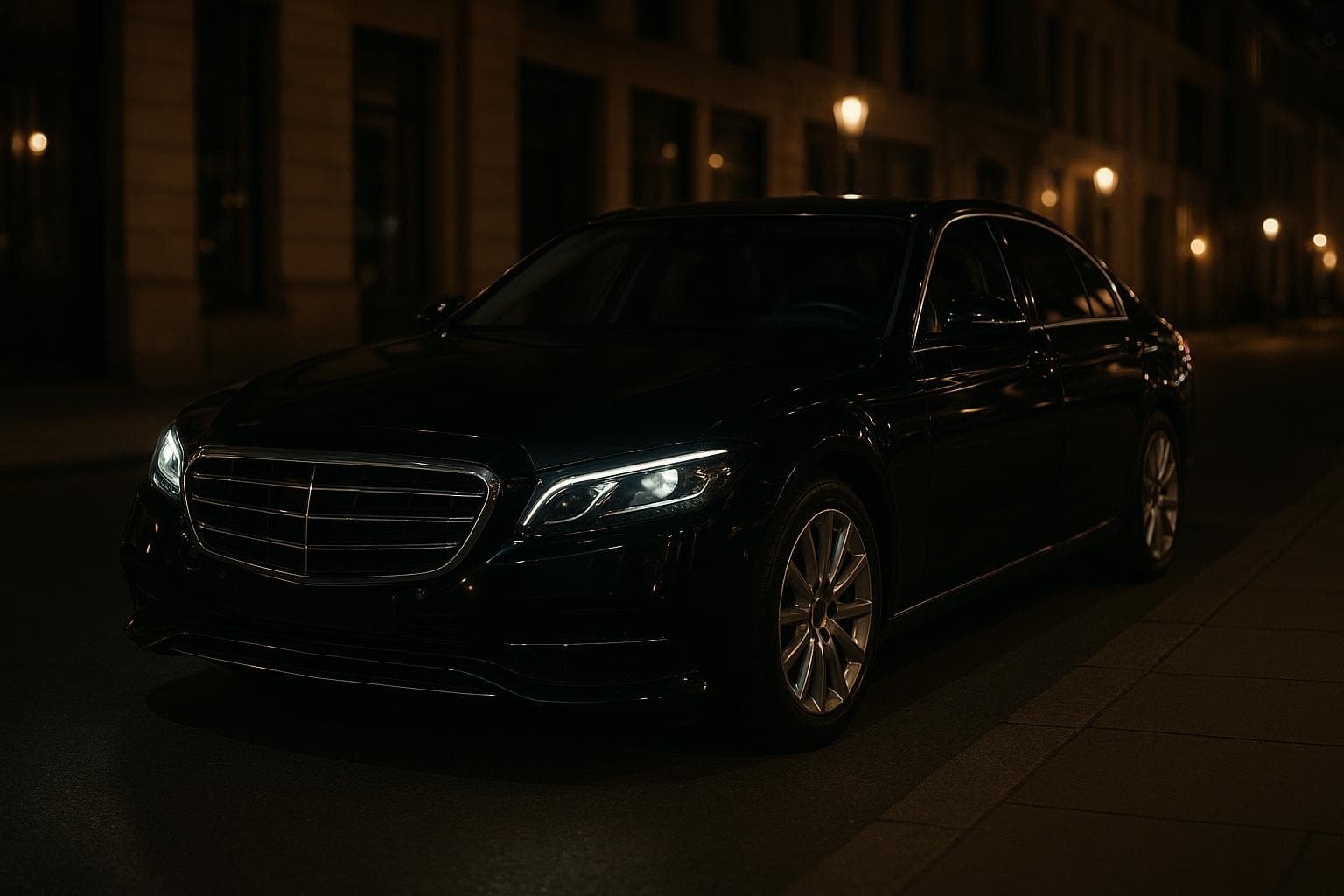
One lead chauffeur, one accountable team, an executive sedan (usually the Mercedes-Benz S 580), a backup on standby, and an NDA on file. See the roadshow service or send us your schedule, and we'll build the timing around it.
Frequently asked
How many meetings does a roadshow day usually cover?
Six to ten investor meetings is typical for a Toronto day, mostly inside the financial core, with 10–15 minute buffers between them. The transport plan is what makes that density possible.
What happens if a meeting runs long?
A lead chauffeur re-sequences the day live, adjusting the order and route so a single overrun doesn't cascade. That live adjustment is the core of the service, not an extra.
Do you use a backup vehicle?
Yes. A backup-vehicle protocol keeps a second car on standby, so a mechanical issue or a blocked street never stalls the roadshow.
Will you sign an NDA?
Yes. Roadshows are commercially sensitive. Confidentiality is standard and we'll sign your NDA before the first pickup.